In art, negative space is the area in between and around the main elements of a piece of art. In other words, it’s all the things that aren’t the thing you are drawing or painting.
It’s easy to dismiss negative space as just emptiness or just the background. But in the hands of a master, negative space can be as important—or even more important—than the objects in a painting.
One good example is one of the most famous works of Japanese art: The Great Wave Off Kanagawa by Hokusai.
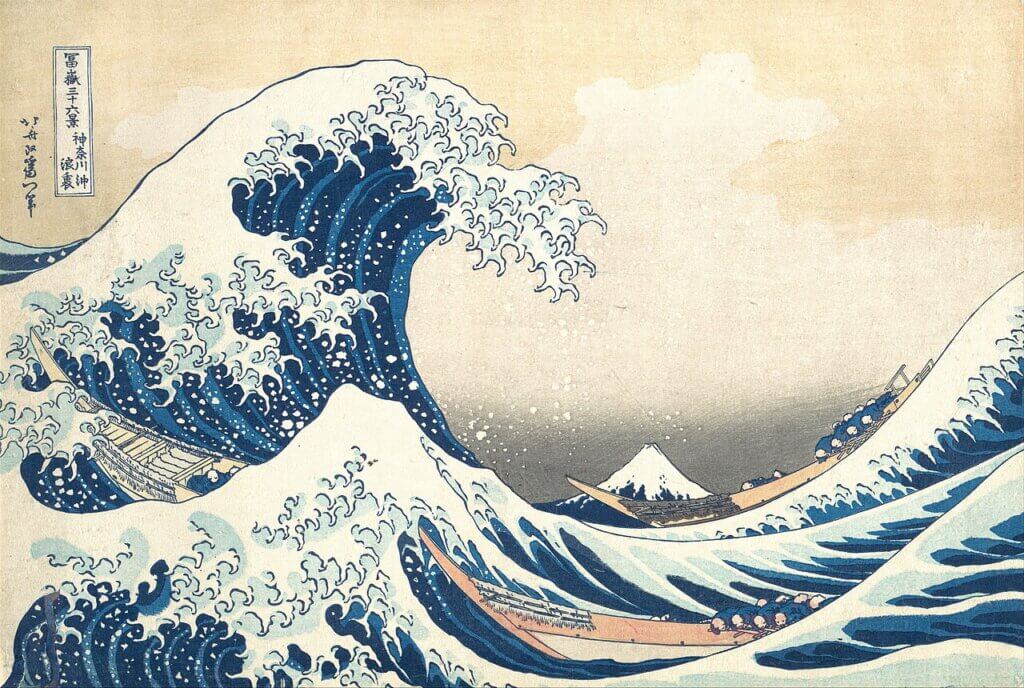
In this woodblock print, the curling wave feels menacing. It towers over Mt. Fuji in the background and threatens to capsize the three small boats nearby. The sky—the negative space—takes up a lot of the space in the print. The space emphasizes the fury of the wave and heightens the sense that the people are insignificant in comparison to nature.
To show how important the negative space is in this design, we also created a terrible AI-generated version where Mt. Fuji is huge, and there is much less negative space.

In this version, the same wave is much less frightening. The size of the mountain gives a sense of permanence, and somehow, it seems much less likely that anyone on those fishing boats is in any real danger.
When was the last time your team audited not what you charge—but what you give away?
While looking at art is fun, it isn’t the real point of this blog post, of course. The point is that like this print, your pricing has some negative space. The negative space for pricing are the things that you bundle in at no extra cost. It might be certain services. Support. Help documentation. Free shipping. A warranty.
People who look at art see the entire piece—subject and empty space—as one unified composition. In the same way, your customers perceive your price as an integrated whole.
However, unlike great artists, Shemost pricing teams spend all their time designing the subject. They let the negative space happen by accident.
Why you need to design your negative pricing space
While this approach is common, it has a lot of drawbacks:
- Giving away the differentiator. Customers might be choosing your company because of something you’re giving away for free, like technical support. If you aren’t monetizing it, you might not be truly pricing your value.
- Accidental anchoring. If you are giving something away for free, it gets really difficult to begin charging for it later because it feels like a price increase. For example, if you previously offered free shipping and stop, customers will likely perceive that as a big jump in their costs.
- Masking real costs. Services in the negative space still cost your company money to deliver. When they’re never priced, they’re less likely to be tracked or questioned.
We should be clear that the goal isn’t to slap a price on everything. That would be like filling every inch of canvas with objects.
The goal is to design your negative space—like a great artist would—so that it helps you accomplish your goals.
We cover these ideas in more depth in Pricing and Offer Design, The Fundamentals of Price Structure, and Exposing Your Differential Step-by-Step.
One final thought: all this talk about art may be a little out of your comfort zone if you (like many pricing professionals) think of yourself as a “numbers person.” But pricing is as much an art as a science, and it’s good to remember that buying decisions aren’t made solely on logic. Our pricing decisions have real emotional and psychological impacts that affect their success or failure.
And if you still have doubts about the link between art and pricing, we’d like to point out that Japan prints that image up at the top of this post on their money.
Pricing and Offer Design

Well-crafted offers justify the price, drive preference, disarm objections, and anchor negotiations before they begin. But how do we overcome the challenges that are unique to B2B environments?
The Fundamentals of Price Structure
In this on-demand webinar, we explore ten different approaches for structuring your prices to align to customer needs and priorities---from bundling, add-ons and multi-part prices to volume schedules, surcharges, and more.
Exposing Your Differential Value Step-by-Step

This tutorial cuts through the apparent complexity of value-based pricing to provide simplified, step-by-step process for understanding and exposing the differential value of your offerings.