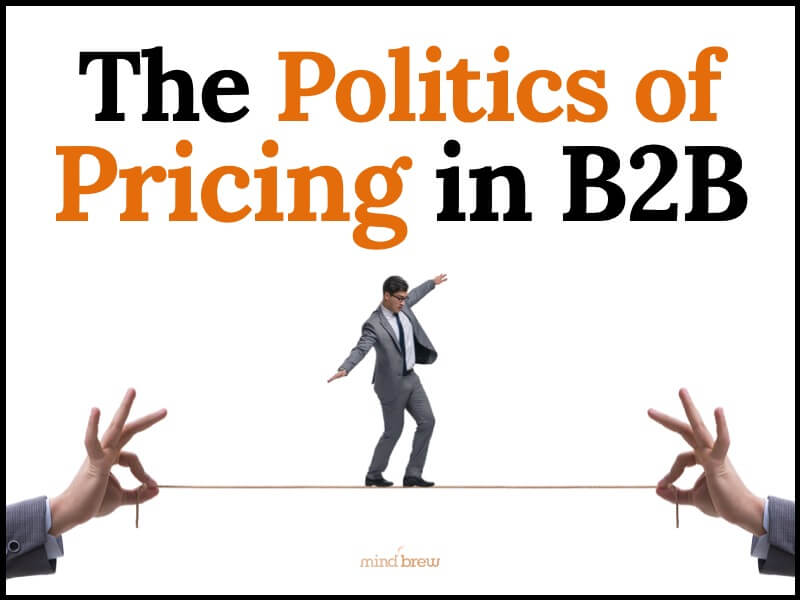
When a salesperson closes a huge deal at the end of the quarter, everyone knows about it. The revenue numbers get reported, the sales manager celebrates, leadership sends congratulations, and the winning rep gets a nice pat on the back. Maybe even a nice bonus check.
And when Product launches a successful new offering, the accolades tend to flow pretty naturally as well. Everyone can see the new product, the customer response, the growing demand, and the resulting sales.
In both cases, the accomplishments are pretty obvious. So these groups don’t have to work particularly hard to make their contributions visible to the rest of the organization.
Hell, in the case of that huge quarter-end sales win, everyone might be celebrating a deal with horrific profitability dynamics, lousy payment terms, and contractual commitments that will haunt the company for years.
But those pesky details won’t become apparent until long after the Grey Goose has been consumed, the commission checks have cleared, and the sales awards have been handed out.
Unfortunately, things don’t work quite the same way for B2B pricing teams.
Most of our accomplishments aren’t nearly as obvious. They tend to happen behind the scenes, down in the weeds, or somewhere between the various cogs of the commercial machinery.
We tweak the price segmentation models. We identify the little margin leaks that can really add up. We refine pricing guidance. We help Sales negotiate a bit more effectively. We make recommendations that improve offer design, customer targeting, and overall price realization.
And when these efforts work, the resulting improvements tend to show up on the bottom line, gradually, and often spread across thousands of transactions, hundreds of customers, and multiple commercial functions.
There’s usually no big announcement. No celebratory conference call. No executive standing up at the quarterly town hall to announce that “average target price attainment improved by 3.24 percentage points! Whoohoo!”
And even when the results are substantial, they’re often attributed to something else or someone else…
Sales did a better job of negotiating. Product improved the offer. Marketing strengthened the value messaging. Finance tightened up the controls.
Meanwhile, Pricing is sitting in the background thinking, “Gee, I’m pretty sure we had more than a little something to do with those things.”
And there’s the uncomfortable reality…
If we want our contributions to be recognized, we have to work at making them visible.
It’s not particularly fair, but it is the reality of the situation. The simple truth is that we need to be much more deliberate than others about documenting, quantifying, and communicating the fruits of our labors. And just complaining about the lack of recognition isn’t going to change the situation one bit.
That doesn’t mean sending out breathless announcements every time someone updates a pricing model or produces another dashboard. Nobody wants to hear about how hard we’re working, how sophisticated our analyses are, or how many records we processed last month.
They want to know what difference we’re making.
So when an initiative improves price realization, quantify and communicate the improvement. When new guidance reduces unnecessary discounting, show what changed. When better segmentation helps Sales win more profitable business, connect those dots for others.
And don’t limit yourself to reporting the final financial outcomes. Explain the underlying improvements that produced them. Show how your efforts changed decisions, behaviors, capabilities, and performance.
Of course, we need to be careful about taking credit for things we didn’t actually cause. Pricing is rarely the only contributor to an outcome, and trying to hog the spotlight is a great way to alienate the very colleagues we depend on.
The objective isn’t to steal anyone else’s thunder. It’s to make sure that our own contributions don’t get overlooked or disappear entirely.
Because here’s the thing…
If leadership doesn’t understand what Pricing is contributing, we can’t be surprised when our budgets get squeezed, our staffing requests get rejected, or we’re treated as little more than a tactical support function.
We can’t expect our contributions to speak for themselves when most of them are buried, obscure, or invisible to others. So we have to work at it…proactively and consistently. Again, it’s not fair…but it’s reality.
As the old saying goes, “If you don’t toot your own horn, there may not be any music.”
Promoting the Power of Pricing

In B2B, pricing outcomes depend on people who don't report to you. Here's how to earn — and keep — the attention, support, and participation you need to actually move things forward.
Earning Pricing a Seat At the Table

Pricing drives business outcomes — but rarely has a seat where those outcomes are decided. Move from executing handed-down plans to having a real hand in shaping them.
Proving the Value of the Pricing Function

Executives understand the value of functions like sales, marketing, and finance---but pricing often has to justify their very existence, over and over again. In this recorded training seminar, learn how to demonstrate the results and metrics that can earn you a seat at the big table.