If you were a kid who liked to watch a lot of cartoons, that’s probably where you first learned about mirages. Typically, these programs show someone—like Bugs Bunny or the Rug Rats or SpongeBob or even Grover from Sesame Street—who is dying of thirst in the desert. The main character’s eyes play tricks on them, and they think they see an oasis with trees and fresh water somewhere on the horizon.
Reality is a little different.
A mirage isn’t just your mind playing tricks on you because you’re tired. Actual mirages occur when natural phenomena cause light to bend in unusual ways. For example, the Fata Morgana makes it look like ships at sea are actually floating above the waves like eerie UFOs. And the Broken Spectre makes it look like a ghost is following you as you climb a mountain.
What makes these mirages particularly disturbing is that we can actually take photographs of them. They aren’t just figments of our imagination.
But they aren’t real either.
And when you get close enough, the mirage disappears.
What’s a Pricing Mirage?
The pricing profession is full of seductive shortcuts that are a lot like mirages.
Like visual mirages, pricing mirages make you think things are different than they actually are. They feel very logical and safe. And in the same way that you can photograph a visual mirage, you might actually be able to get some metrics or data to back up a pricing mirage.
Leaders are often tempted to latch onto them. After all, who doesn’t want to believe their own eyes, especially when the data bears it out.
However, in the long run, the positive effects you expected to see are eventually revealed to be nothing more than illusion.
4 Pricing Mirage Illusions
What, specifically, do we mean we talk about pricing mirages? Here are four that we see a lot:
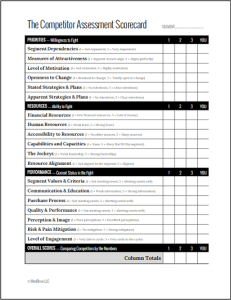
- Mirage #1: If we just get competitor prices, we’ll know what to do. To some B2B firms, competitors’ pricing lists are almost like the holy grail. It seems like if you have them, you’ll gain infinite wisdom about how to price your products. But of course, this is just a mirage. Competing price lists tell you nothing about willingness-to-pay, strategy, or how your rivals will react to the moves you make. A better approach is deeper competitive intelligence, as explained in Anticipating Competitors’ Pricing Moves.
- Mirage #2: Lowering prices will bring back demand. This one is tough to dispel because you probably have some numbers that make it seem real. Sales probably will increase when you lower prices. However, you are likely to also reset customer expectations and perhaps even trigger a price war. The long-term margin erosion reveals that this approach really was just a shimmering mirage. We cover this in Getting Control of Discounting
- Mirage #3: Cost-plus is safe and fair. The cost-plus approach seems simple enough. But it ignores value and leaves money on the table. Worse, it cedes control of value messaging to competitors. If you’d like to hear one real-life story just how badly this can go, check out How to Crater a Market with Cost-Plus Pricing
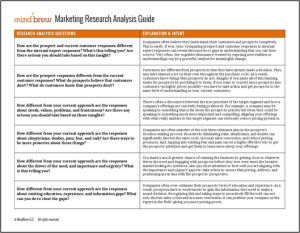
- Mirage #4: We already know what customers value. Your salespeople talk to customers every day, so it can be tempting to believe them when they tell you what their customers want. You might even have some survey data from years ago that you assume is still accurate. But just as a visual mirage can distort the truth, these assumptions can diverge from reality. Doing a real segmentation can help you figure out what your customers really care about. Learn more in Leveraging Your Multidimensional Value
The Danger of a Mirage
With both visual mirages and pricing mirages, the hazard is that you will expend energy chasing after something that doesn’t actually exist. You can end up far from where you actually need to be. And in the worst case scenario, you could die of thirst, step off a mountain, or drive your company out of business.
The solution is not better intuition. The solution is understanding when and how these mirages appear. You can—and should—acknowledge them. And then you should purposefully decide not to chase after them.
What about you? Which mirages are tempting your organization right now? How far have you already strayed off course? Today is a great day to step back, reassess your assumptions, and choose the harder path forward that will actually take you where you want to go.
Anticipating Competitors' Pricing Moves

Your competitors' pricing actions (and reactions) add even more complexity to pricing. So what can you do to anticipate competitive moves and prevent them from spoiling your pricing efforts?
Getting Control of Discounting
In B2B, discounting tend to be the norm rather than the exception. How do we make sure the discounts are appropriate and warranted? And how do we do it without alienating the sales team?
How to Crater a Market with Cost-Plus Pricing

For one large manufacturer, cost-plus pricing was tantamount to malpractice. In this case study, learn how the lack of strategic pricing capability reduced the value of an entire market by over $1 billion.
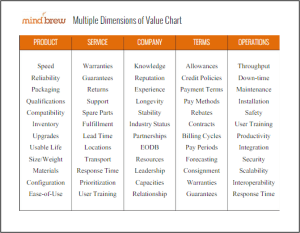
Leveraging Your Multidimensional Value
What are the dimensions of value that matter most to buyers? Which specific value drivers should you be prioritizing? And how do we incorporate them into our pricing and value propositions?